Fermented Pickles
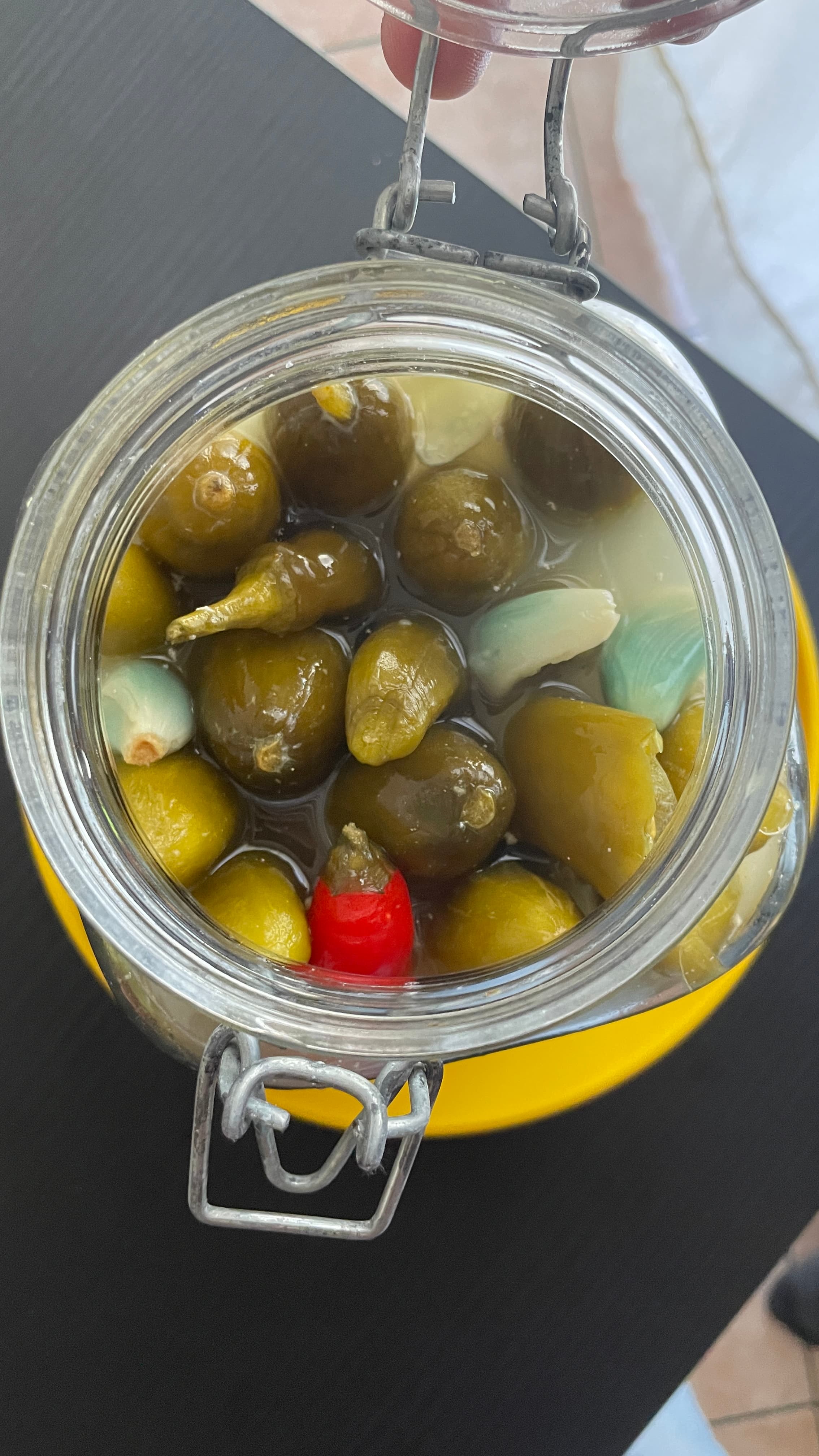
Hello. The first time was two or three years ago when, after watching Mahyar's fermented pickle making tutorial video, I really wanted to make pickles. Fermented pickles! But there was never a very serious will behind it, and of course, the conditions weren't quite right either. Among these problems:
- The cucumbers found in Esselunga, Tigros, and Carrefour (and generally in Milan stores) are very large. They are called Cetriolo Olandese (or Dutch cucumber). And well, the first problem is that they are too big. The second problem is that they have almost no flavor and often become mushy.
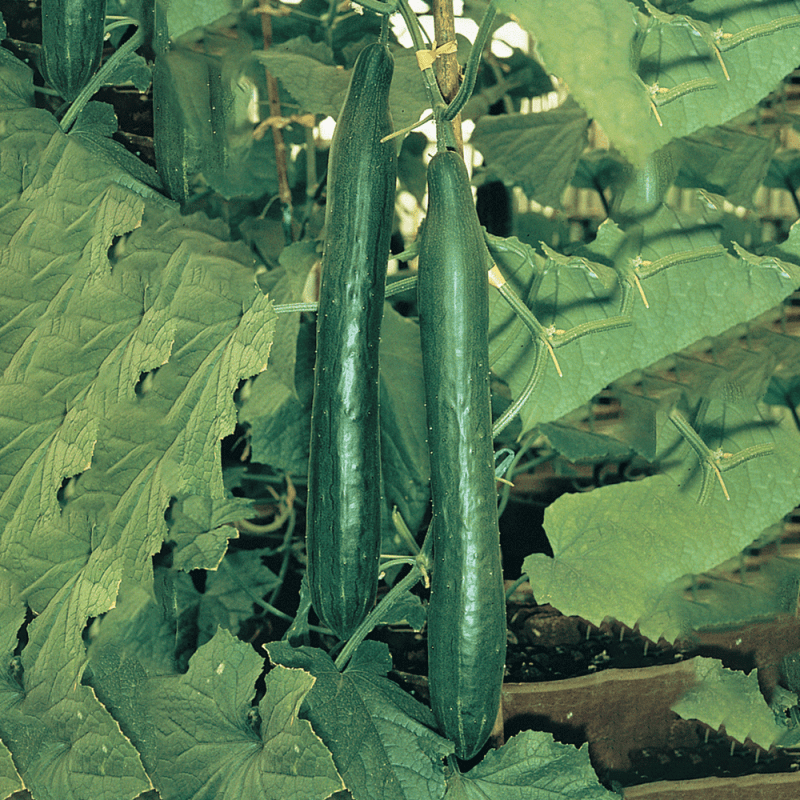
- I knew that small pickling cucumbers could be found in Arab fruit shops, but I didn't know where to go.
- I didn't have a suitable container for pickles. I was looking for a relatively large glass jar that was bigger than the usual pickle jars in shops.
- The studio I lived in had a very small fridge and didn't even have much space for regular groceries, let alone a large jar of pickles!
- Iodine-free or Kosher salt, which I couldn't find in Esselunga or common places.
- Motivation!!
Finally, two weeks ago, all of these came together.
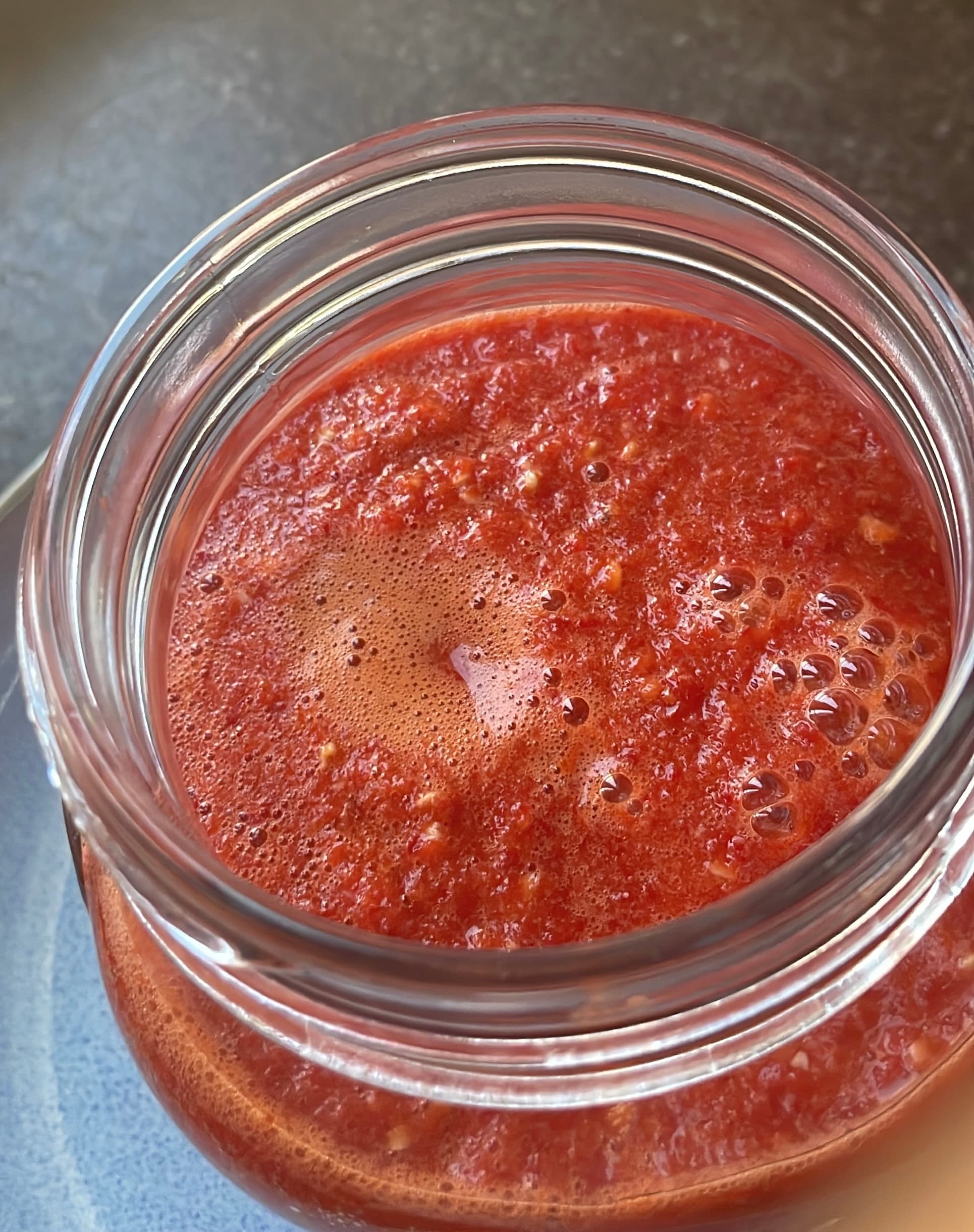
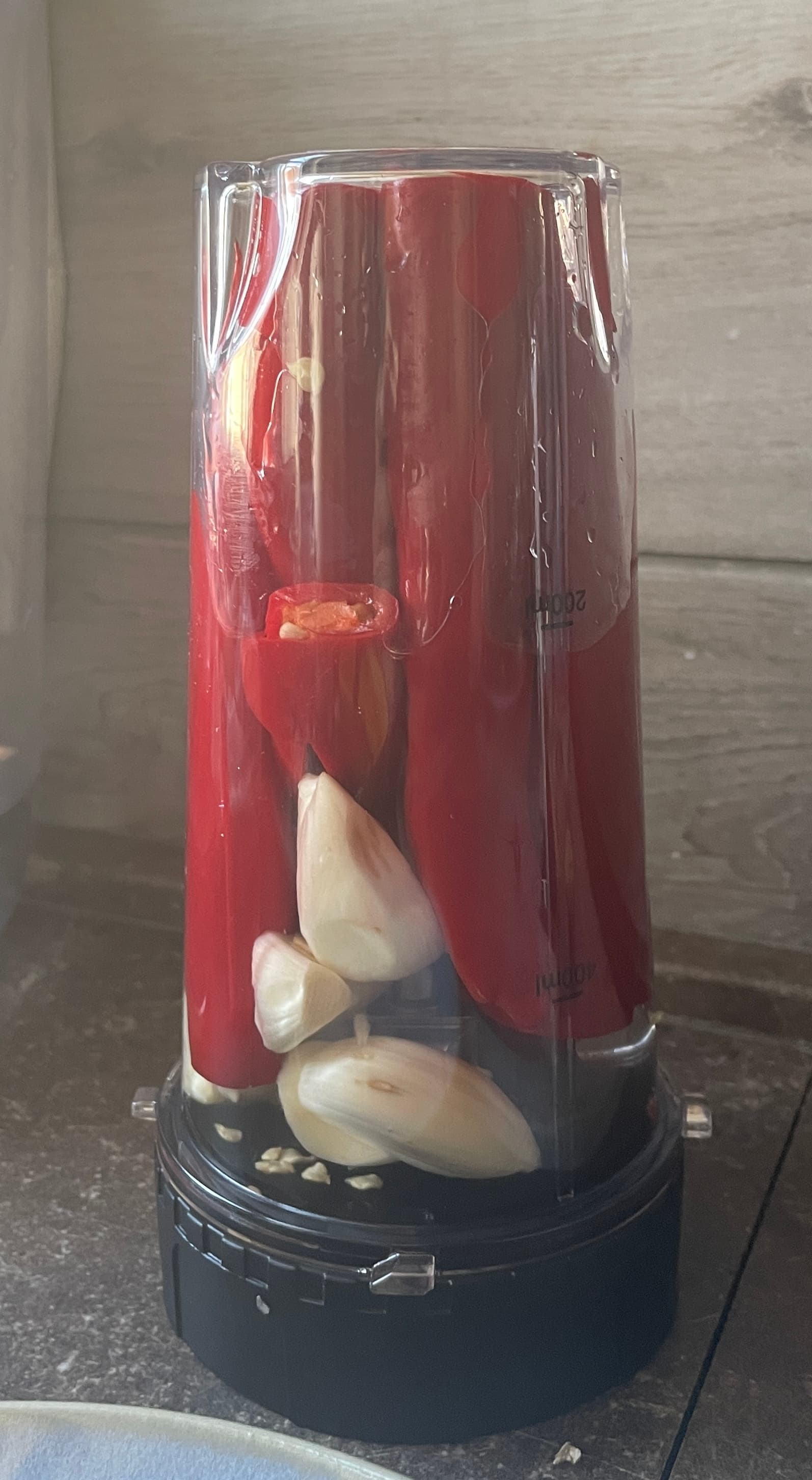
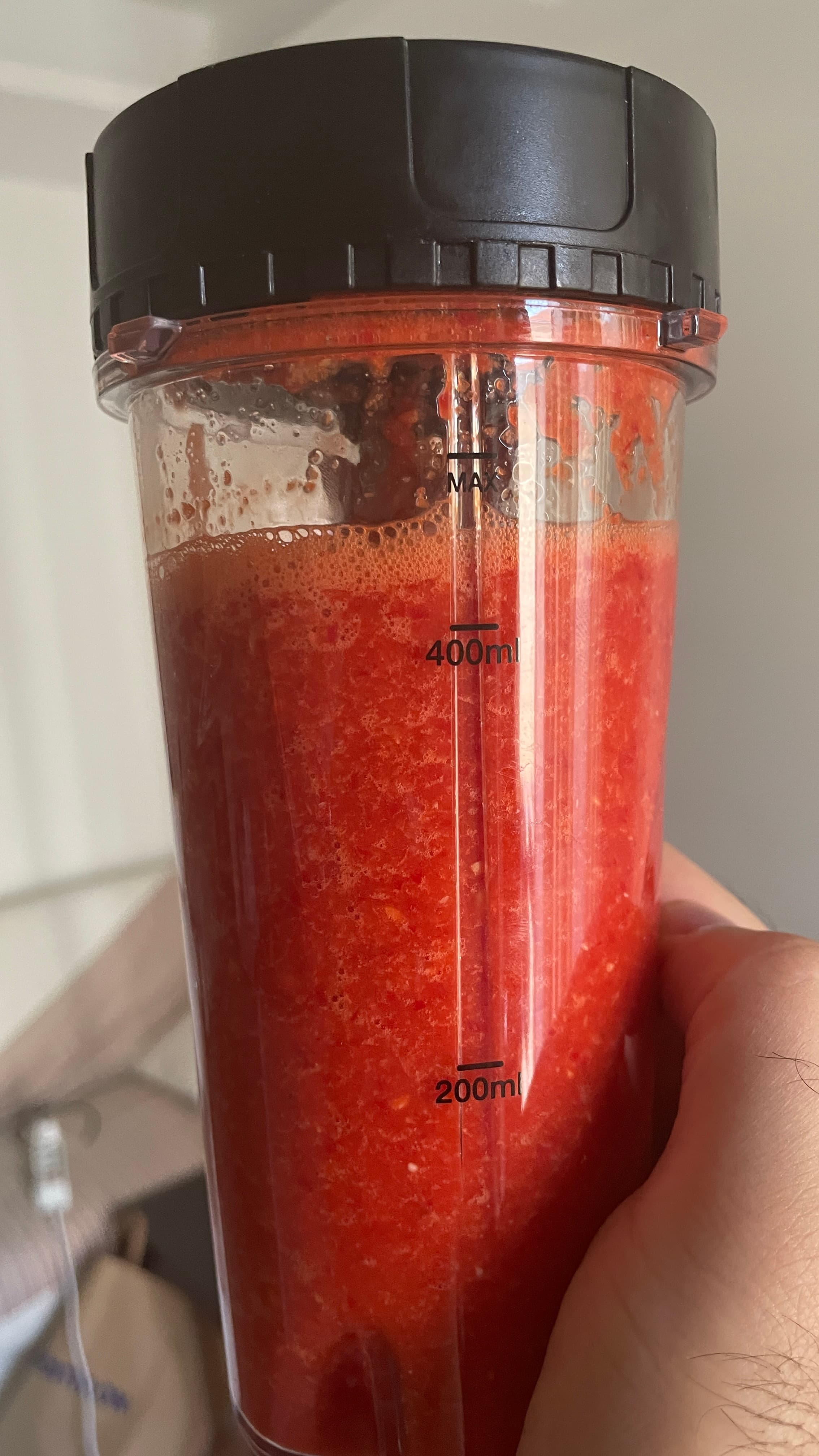
The house we live in has plenty of nooks and crannies for storing things and a relatively spacious fridge. Some time ago, after buying a "Wood Wood," the urge to get a glass jar hit me to make and store a larger amount of chili garlic sauce (Yes, I make this too and I'm very satisfied with the taste :) I'll write about it here as well. For now, just settle for the photo).
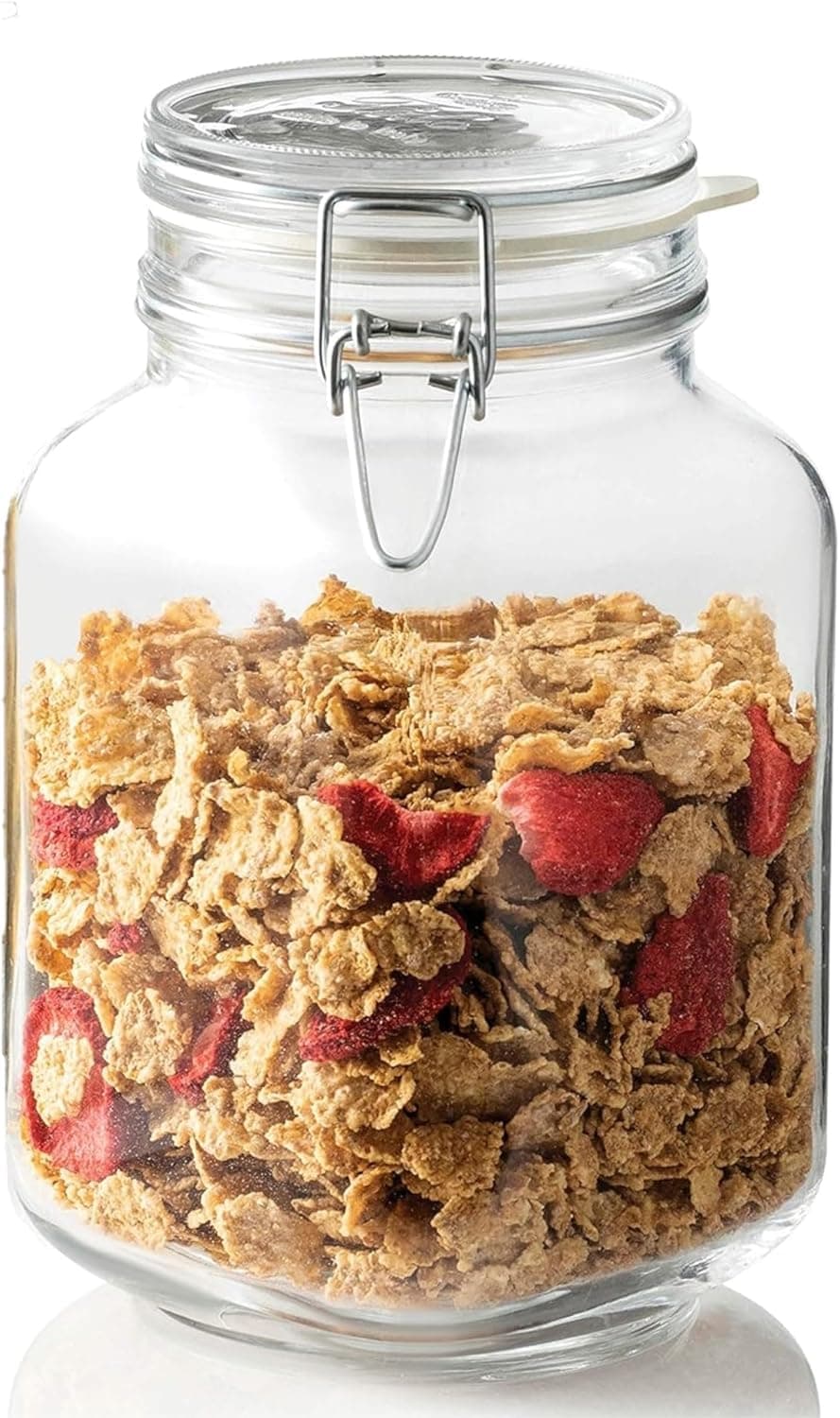
I told myself I should also get a large container for pickles. In the end, I got this one: Two-liter glass jar with lid, Bormioli Rocco brand
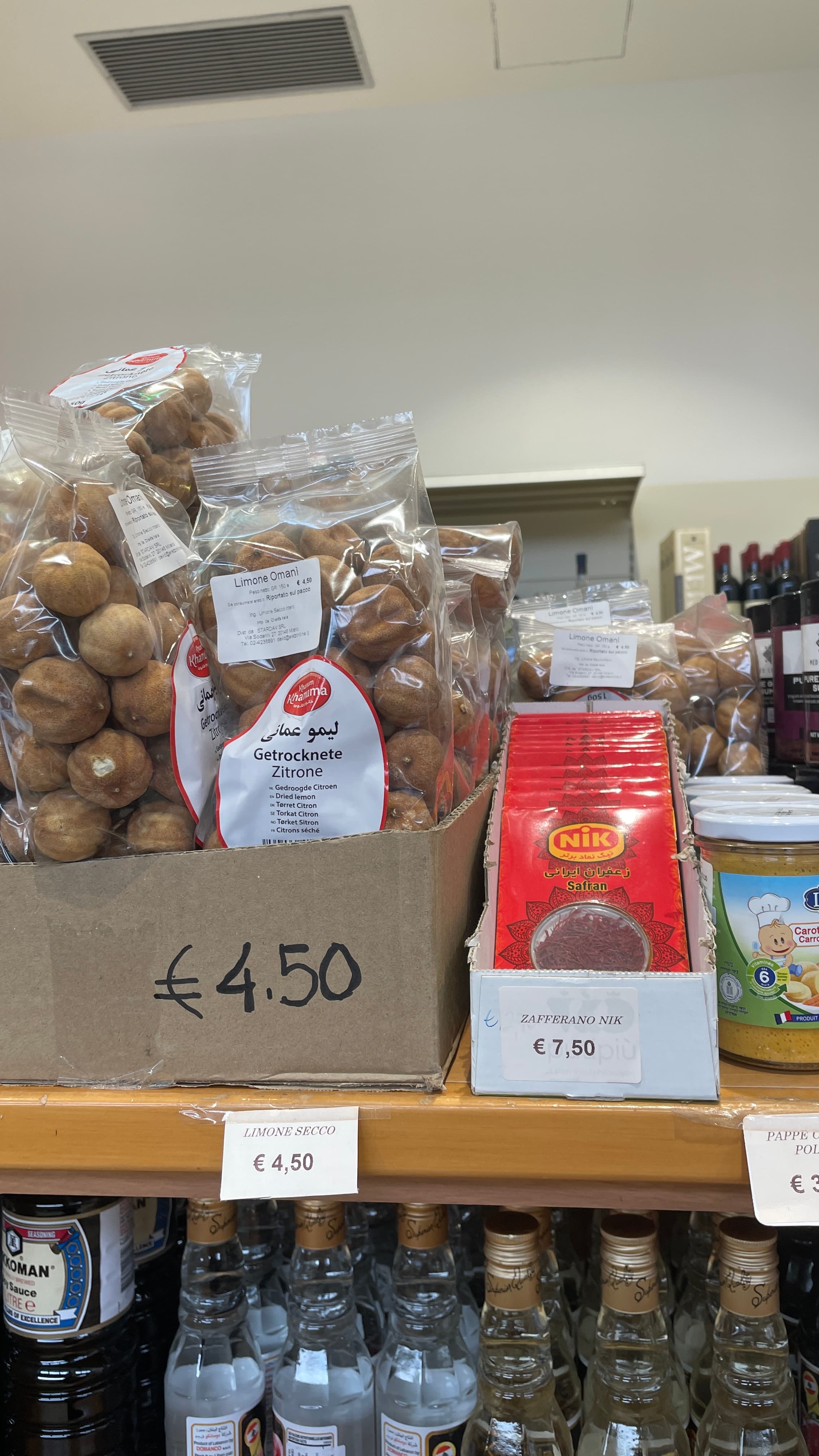
An essential pillar of this process was iodine-free salt. The iodine in salt causes the pickles and the brine to become dark and cloudy. This is due to the reaction of iodine with starch (iodine-starch complex) and the oxidation of the cucumber's polyphenolic compounds. I did a search with Gemini, and it suggested buying it from a Jewish shop. A Jewish shop in the Jewish quarter, during the Iran-Israel war :)
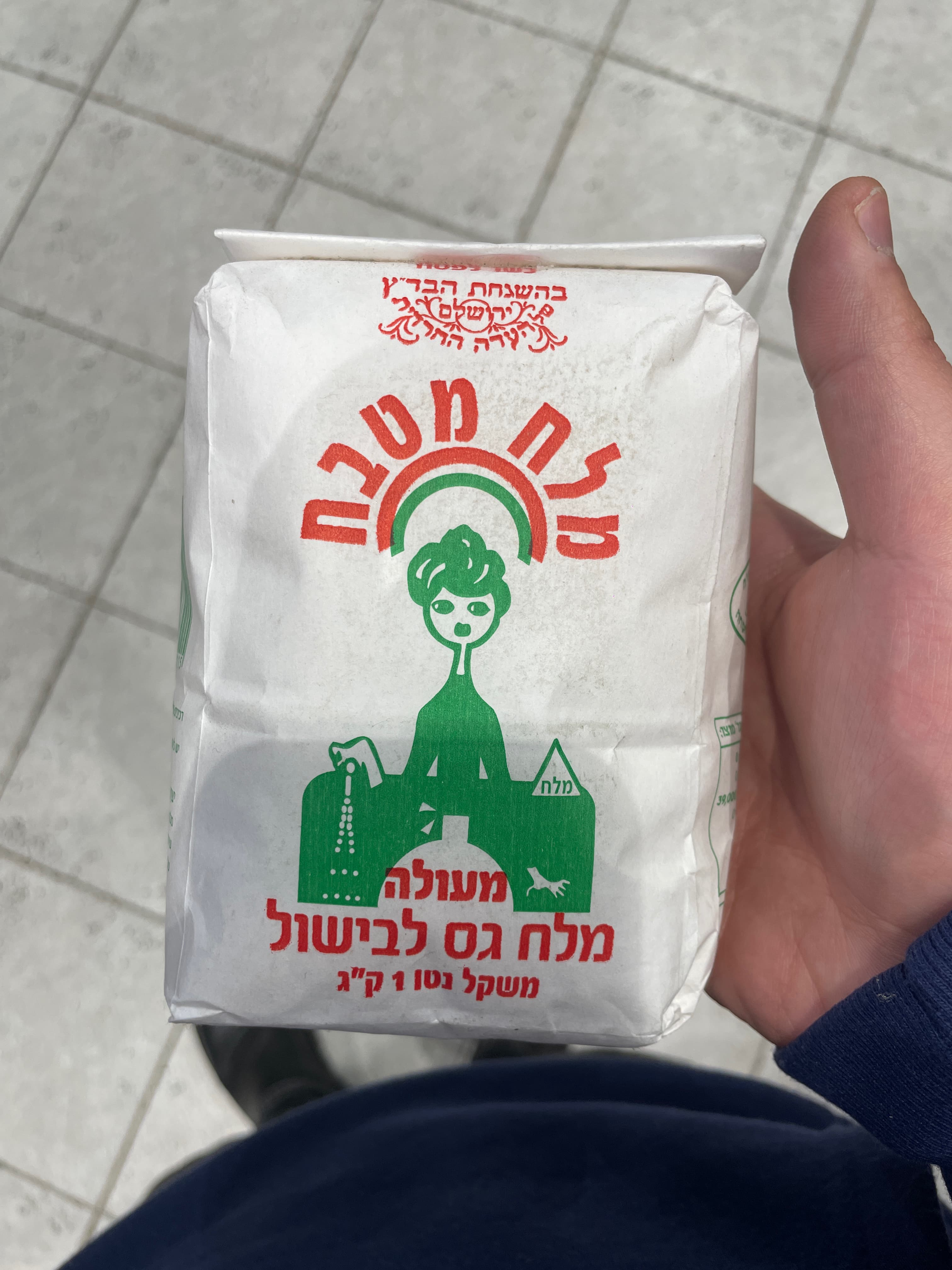
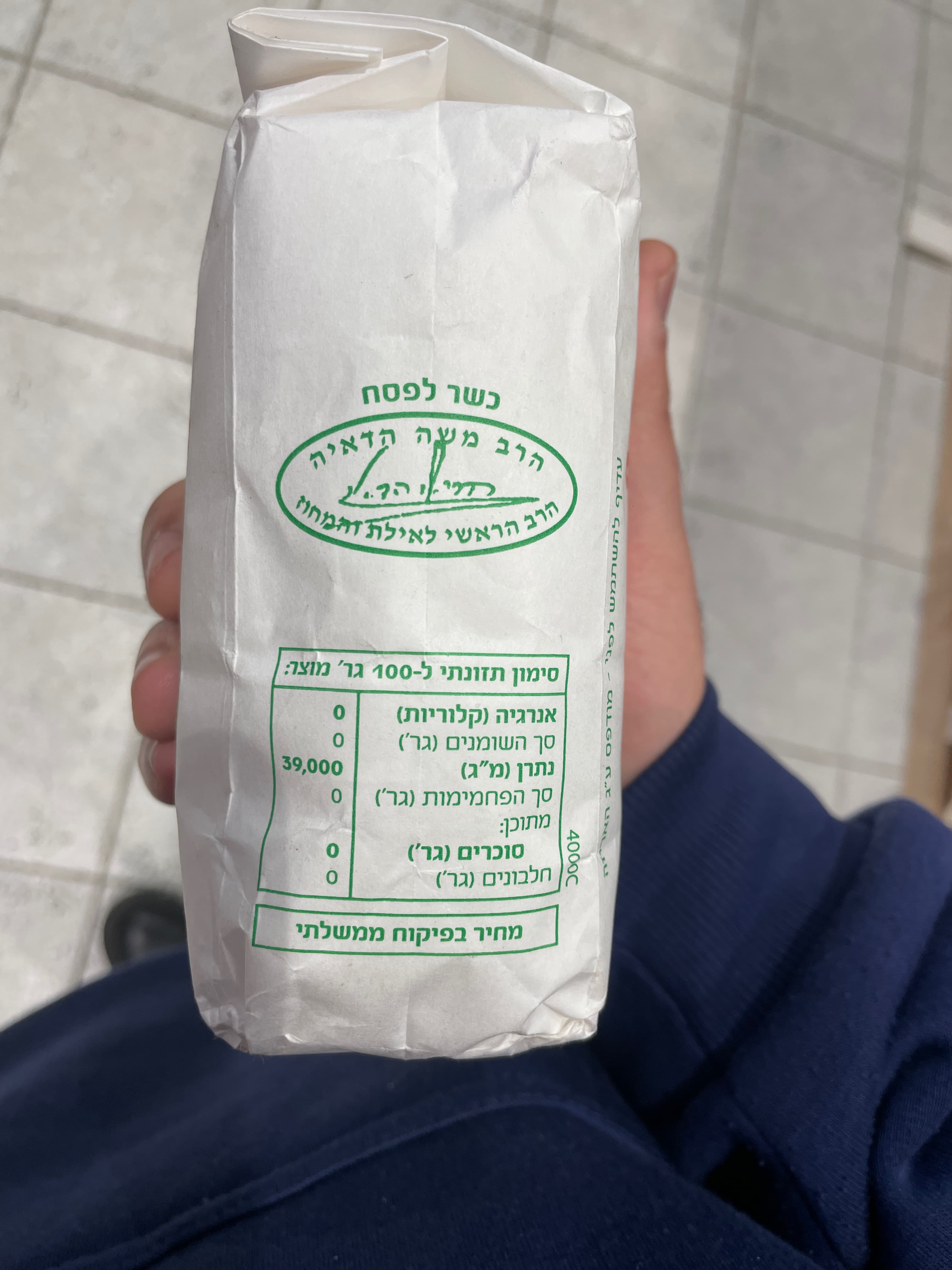
It was my first time seeing Hebrew printed on something. It felt strange. I felt like this salt was being used for magic or spells :) Another strange thing was that you could find some Iranian items there too. For example, saffron, rose water, and dried herbs for Ghormeh Sabzi!!
Two weeks ago, I finally got in the mood and went looking for the pickling cucumbers themselves. There is an Arab fruit shop near my house. I pass in front of it several times a week but had never looked inside. This time, however, I went in and was faced with plenty of pickling cucumbers :)
The required ingredients were:
1- Desired amount of pickling cucumbers 2- Salt 3- Garlic 4- Dill 5- Savory and/or Tarragon 6- Hot pepper 7- Tap water (you must let the chlorine evaporate) or mineral water
I had all of these. What remained was Tarragon (Dragoncello in Italian) and Savory (Santoreggia); I couldn't find fresh tarragon, only dried. I didn't look for savory either. So, I skipped them. I bought the rest from Esselunga.
For making fermented pickles, especially those where vinegar is not used, maintaining the brine concentration is vital. Your salt concentration in this solution should be between 3 to 5 (or as some say, 6) percent. I took the middle ground: 4 percent. Why do I say it's vital? Because:
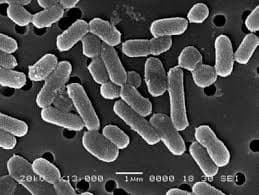
1- In this environment, spoilage bacteria such as Pseudomonas and pathogens (disease-causing agents) such as Clostridium botulinum cannot survive or multiply. You have probably heard the name Botulinum. It is the toxin that this bacterium, Clostridium botulinum, produces and causes the disease botulism. This is exactly the same bacterium because of which you boil canned tuna; however, we don't boil the can to kill the bacterium itself, as this bacterium and its spores (or endospores, a dormant, inactive, and highly resistant form of some bacteria produced for survival in unfavorable environmental conditions) are not destroyed by 100-degree boiling water and are only killed at 121 degrees. We actually boil the tuna to destroy the "toxin" that this bacterium has produced. When we set the brine solution to 4 percent, by helping the growth of other bacteria that produce lactic acid, we acidify the environment, and thus these bacteria are eliminated. To eliminate Pseudomonas, which causes spoilage, it is also necessary to keep the ingredients completely submerged under water throughout this process so that no oxygen reaches them.
2- Osmosis! In flavoring, the phenomenon of osmosis, which we read about in middle school science, plays a very prominent role. The difference in concentration between the brine solution and the solution inside the cucumber causes this phenomenon. The brine causes the interstitial water of the cucumber, along with the natural sugars dissolved in it (glucose and fructose), to be drawn outward (into the jar). This way, we provide the sugar needed for the fermentation bacteria and draw the water containing the aromatic substances of garlic, hot pepper, and dill into the pickle.
3- This concentration is necessary to maintain the crispness of the pickle. If the salt concentration is low, fermentation occurs very quickly. Bacteria rapidly produce carbon dioxide gas, which gets trapped inside the cucumber tissue, causing the pickles to become hollow (Bloating). Likewise, cell wall-degrading enzymes (like pectinase) remain active at low concentrations and quickly make the cucumber tissue soft and slimy. If we increase the concentration, the osmosis process accelerates, causing the water to leave the cucumber too quickly, which results in the pickles becoming wrinkled, withered, and rubbery.
In short! I followed these steps in order:
1- From the night before, I put the washed cucumbers in the fridge. This makes them crunchier. Though, when buying, one should be careful to handpick the freshest cucumbers possible. 2- I cleaned the glass jar as much as possible. 3- I made about two liters of 4 percent brine. 4- I covered the bottom of the jar with dill and packed the cucumbers tightly at the bottom. I lightly crushed about 6 large garlic cloves with the flat side of a knife and cut three or four of the previously washed peppers in half, placing them between the cucumbers. All of this was to release the flavors better and faster. 5- Then I poured the water, covered the jar with a clean cloth, and placed it in the closet where we keep boxes and cartons. A dark and relatively cool place.
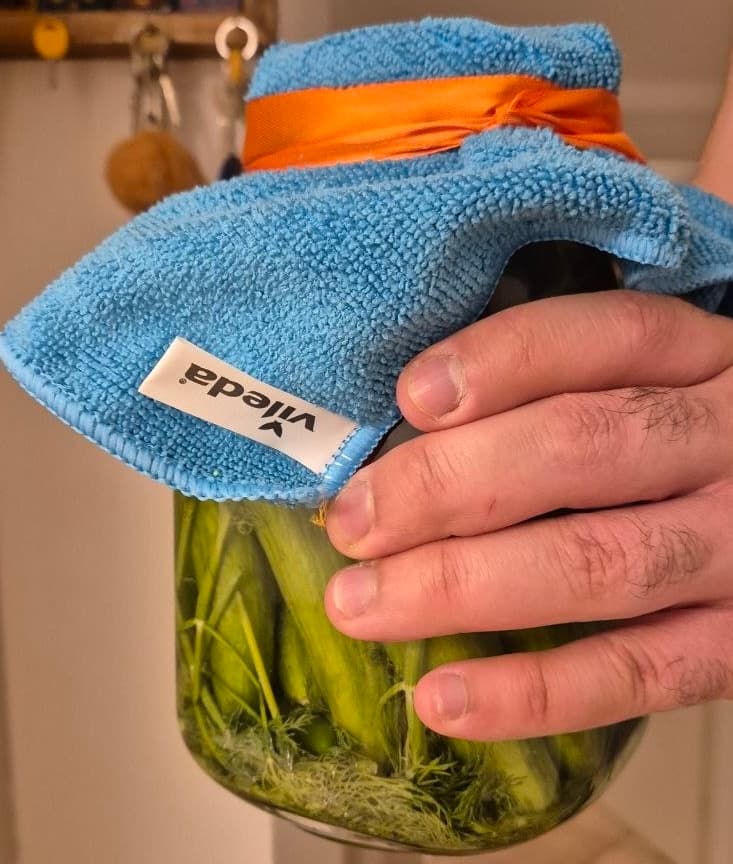
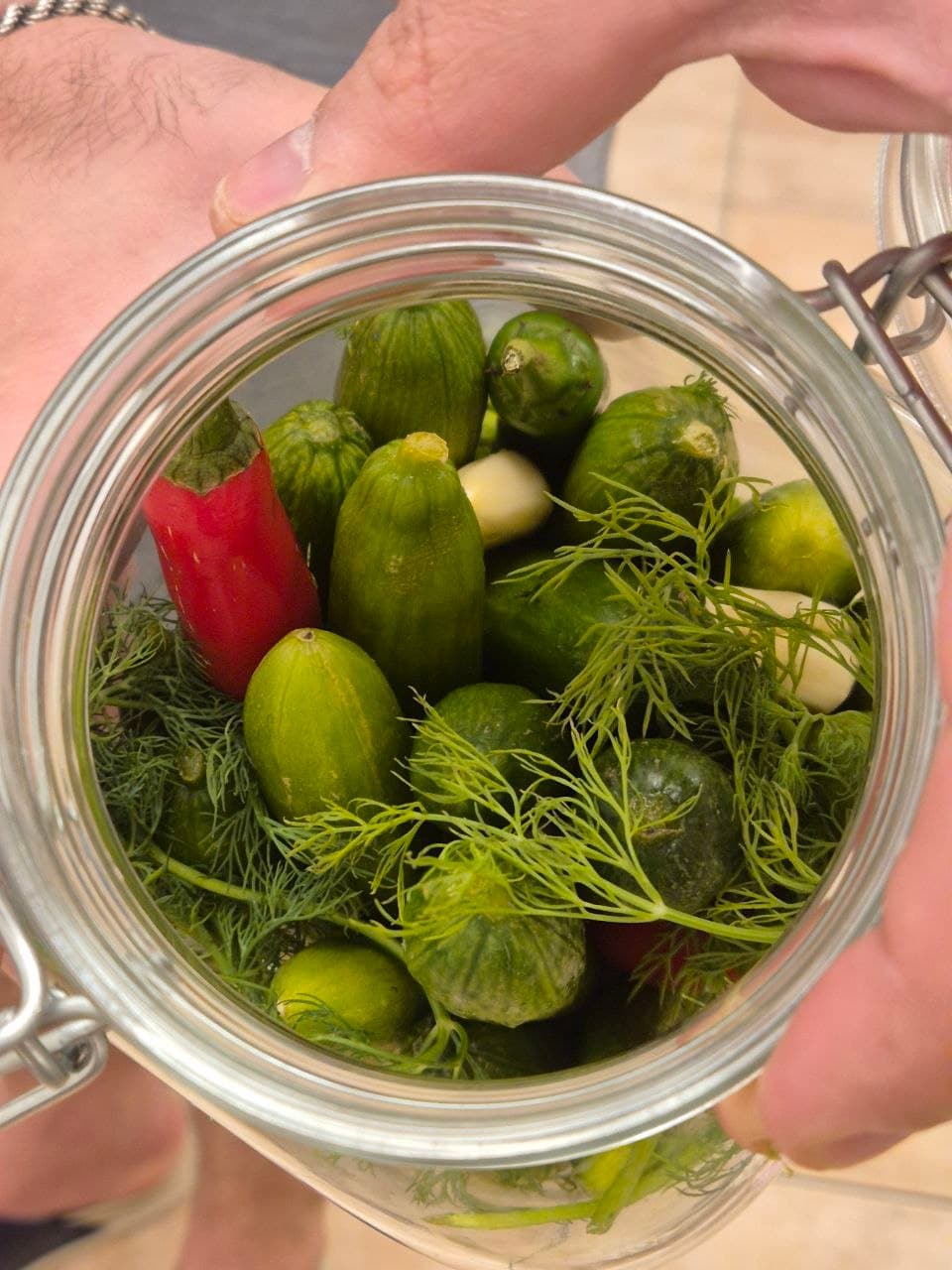
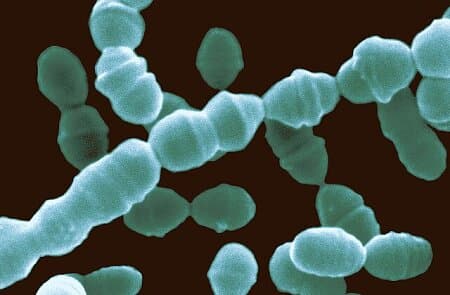
Now I had to wait about a week for our bacteria—Leuconostoc mesenteroides and, most importantly, Lactobacillus plantarum—to do the work of creating the pickles :) Leuconostoc mesenteroides is the agent that produces carbon dioxide and some lactic acid by consuming sugars. Lactobacillus carries the main burden of producing lactic acid. That's why, being a probiotic, this type of pickle is very beneficial for gut health.
After a week, I checked them, but the result wasn't good! The tips of the cucumbers were sticking out of the water and had molded! I had no choice but to throw them all away :( Right then, I went and bought the ingredients again, did everything from scratch, and waited another week. Only this time, to keep the cucumbers submerged, I placed a glass weight on them to ensure they wouldn't pop out of the water.
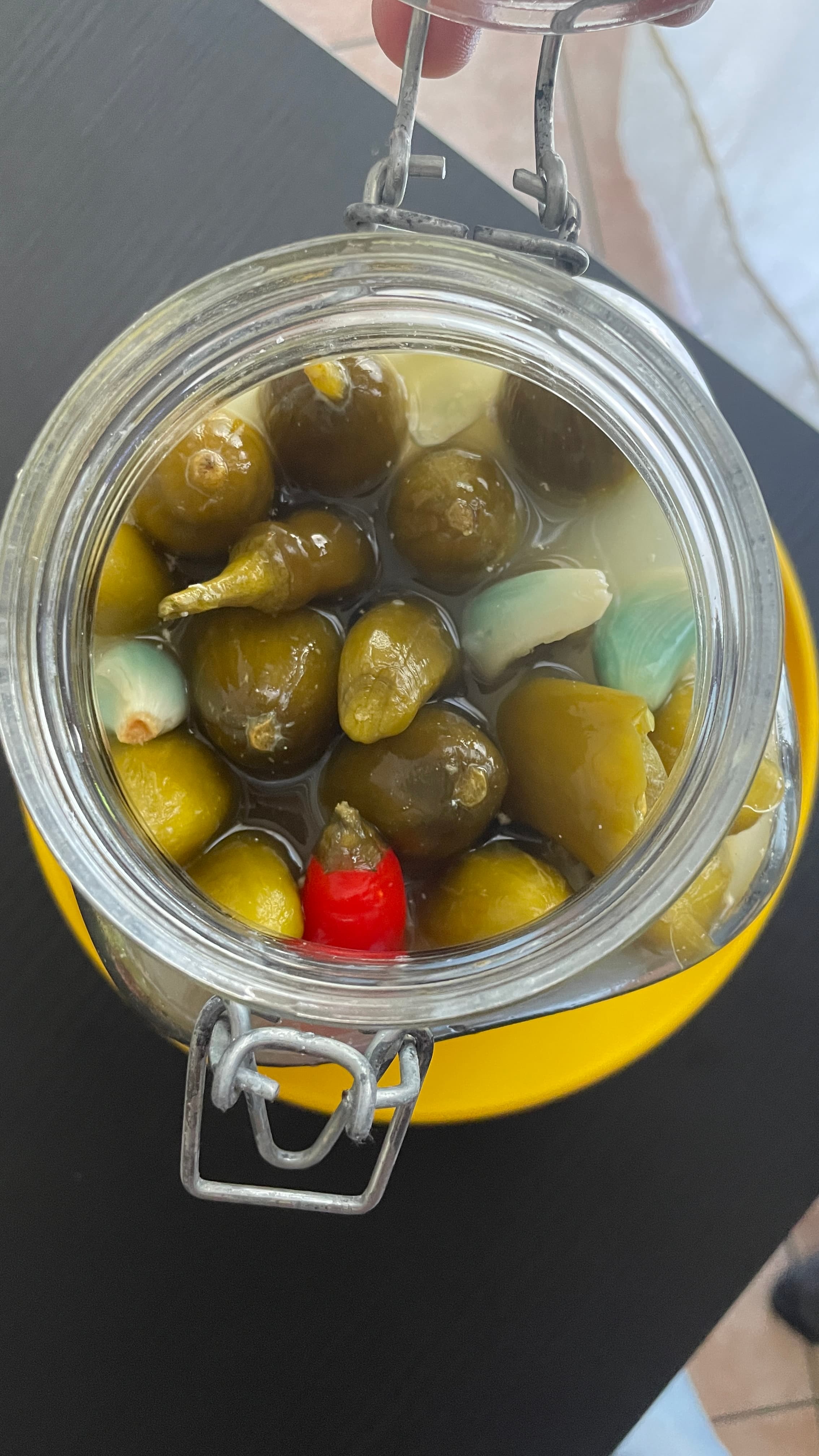
Today I took the pickles out, and the result was truly satisfying :) There was no sign of spoilage, and the pickles were in good condition. But one thing was strange to me: why had one or two of the garlic cloves turned green! I did a search with Gemini and was reassured that this wasn't a sign of spoilage. It was a natural organic phenomenon. The explanation is detailed, so I'll bring the explanation directly from Gemini:
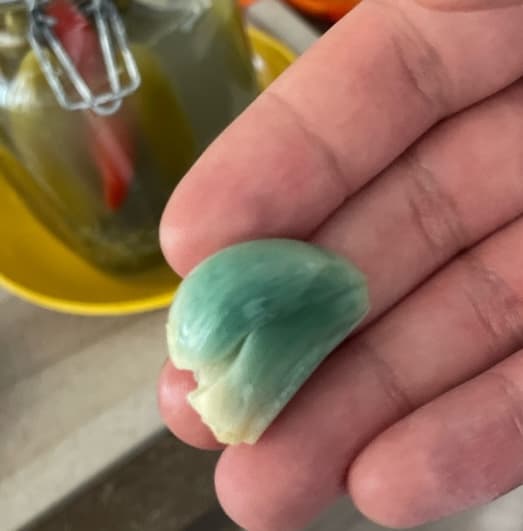
"Garlic turning green or blue in a pickle jar is a fascinating and completely harmless biochemical reaction that occurs due to the drop in pH and the acidic environment resulting from fermentation.
Garlic tissue naturally contains colorless sulfur compounds called Alliin and Isoalliin, as well as an enzyme called Alliinase. In an intact clove, these substances are located in separate parts of the cell. When garlic is placed in the jar's acidic environment (created by Lactobacillus bacteria), this acid gradually weakens and breaks down the garlic's cell walls.
As these walls break down, the Alliinase enzyme is released and comes into contact with the sulfur compounds. The result of this reaction is the production of highly active and reactive substances called Thiosulfinates.
In the next stage, these newly formed Thiosulfinates react with the amino acids in the garlic tissue and create cyclic carbon-and-nitrogen-containing molecules called Pyrroles. These pyrrole rings have no color on their own, but they quickly link together and polymerize.
This is where the magic of colors happens: three pyrrole rings linking together produces a blue pigment, and four rings linking together produces a yellow pigment. From the optical combination of these blue and yellow polypyrroles in the plant tissue, that strange green or turquoise color you observed is created."
Ultimately, the outcome of this process was a spicy and crunchy pickle, and seeing it come to fruition was truly pleasing for me.
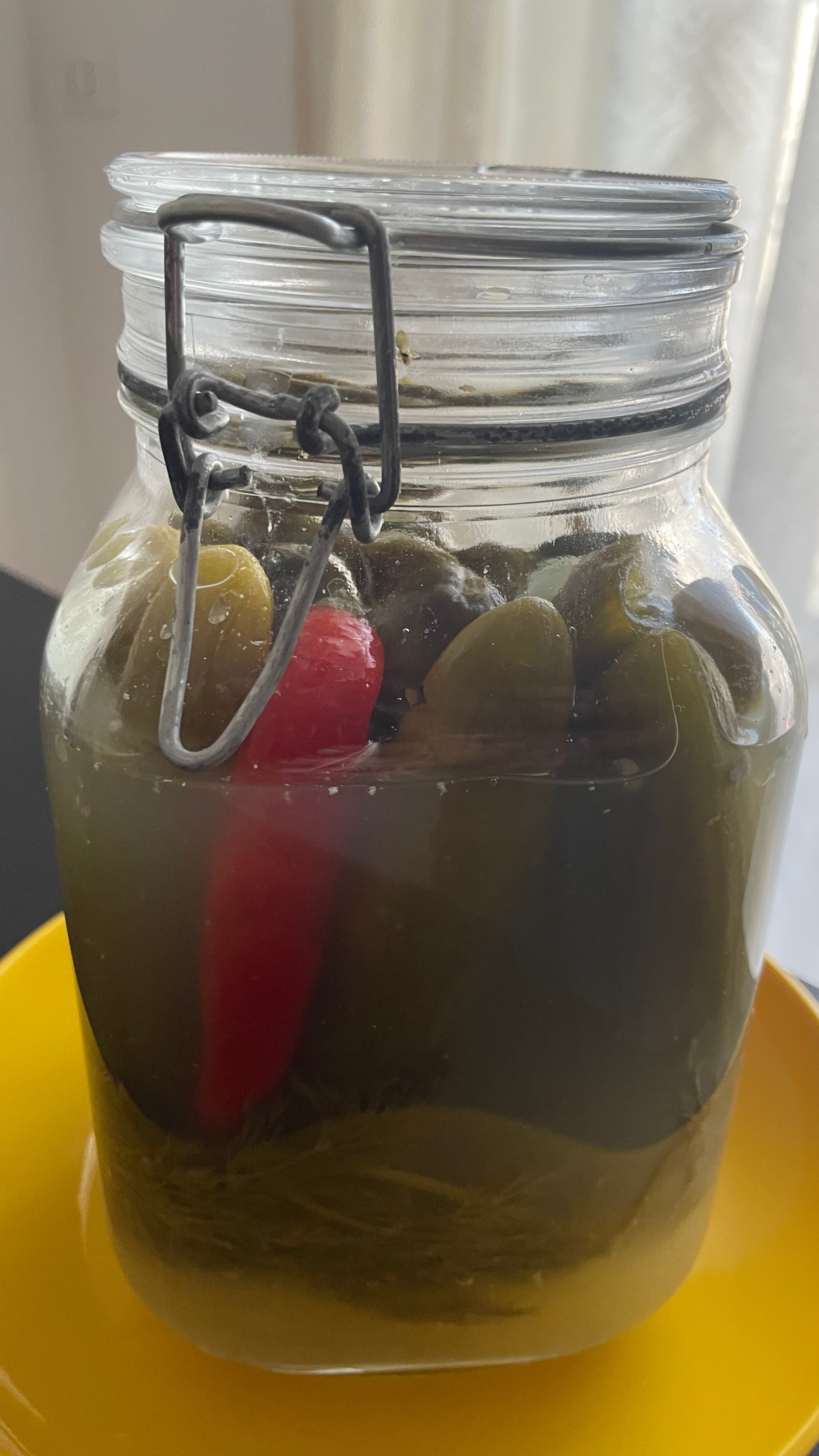
Thank you for reading. I recommend that if you have the chance, you try it too. It's a lovely process.
P.S. Thanks to Peyman for the scientific correction of the text :)
Sincerely, Alireza, Sunday, 1:01 AM, May 2, 2026.
I'd love to hear from you! Send me your feedback or comments via email.
reply by email